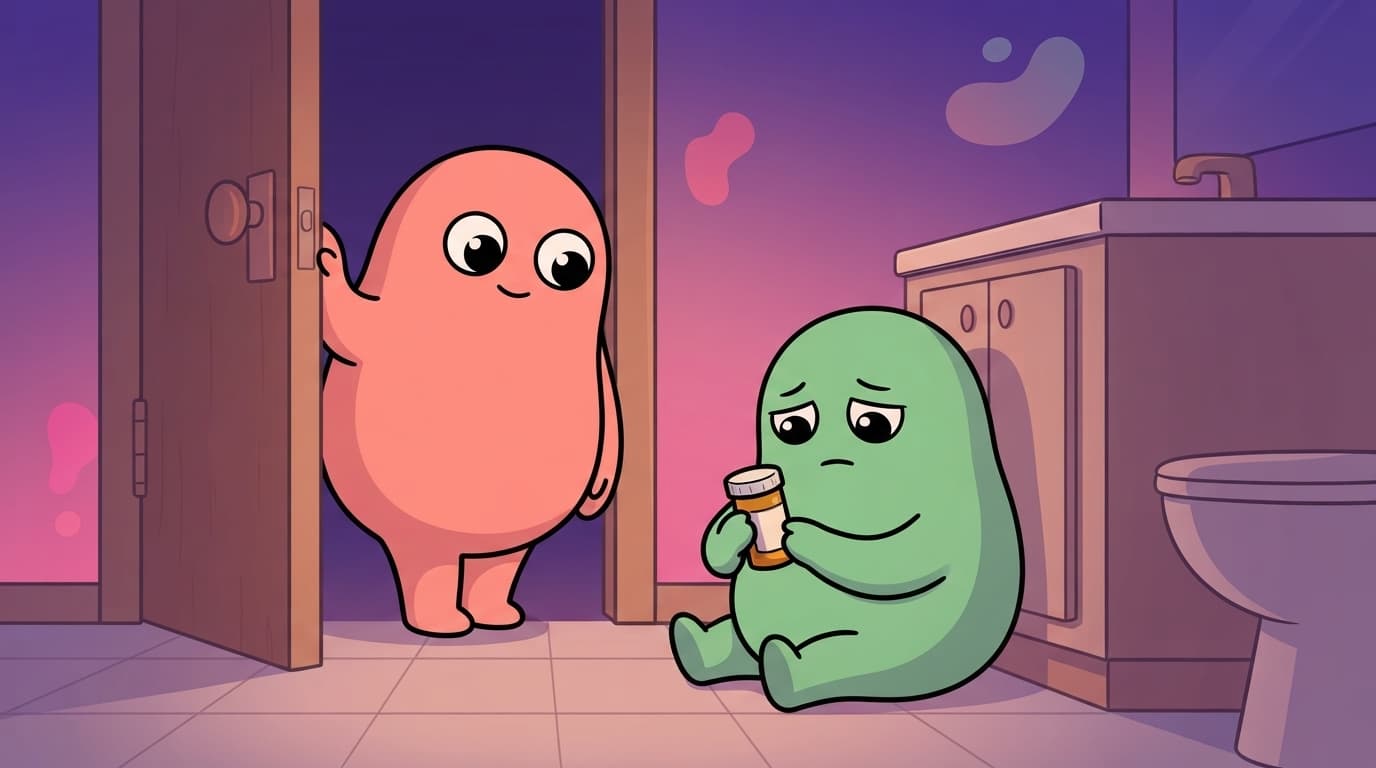
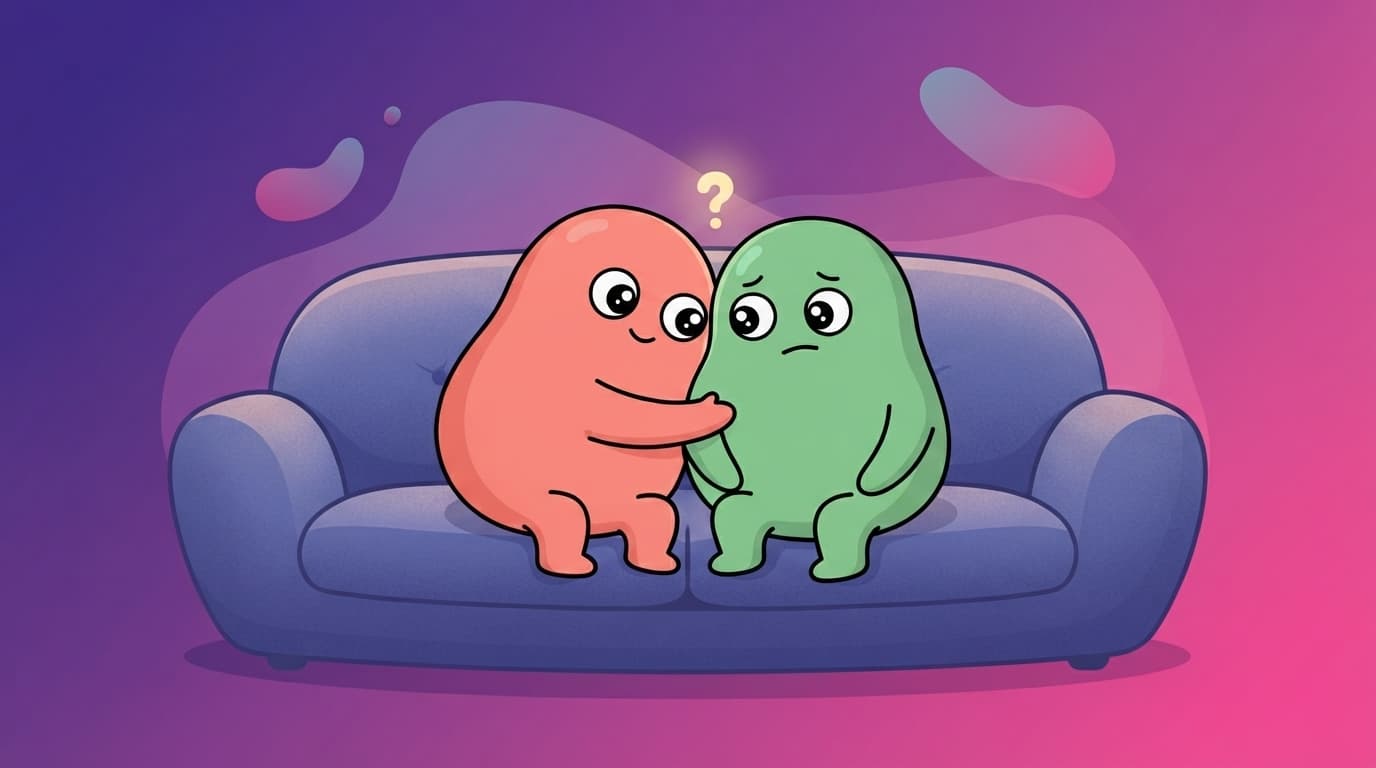
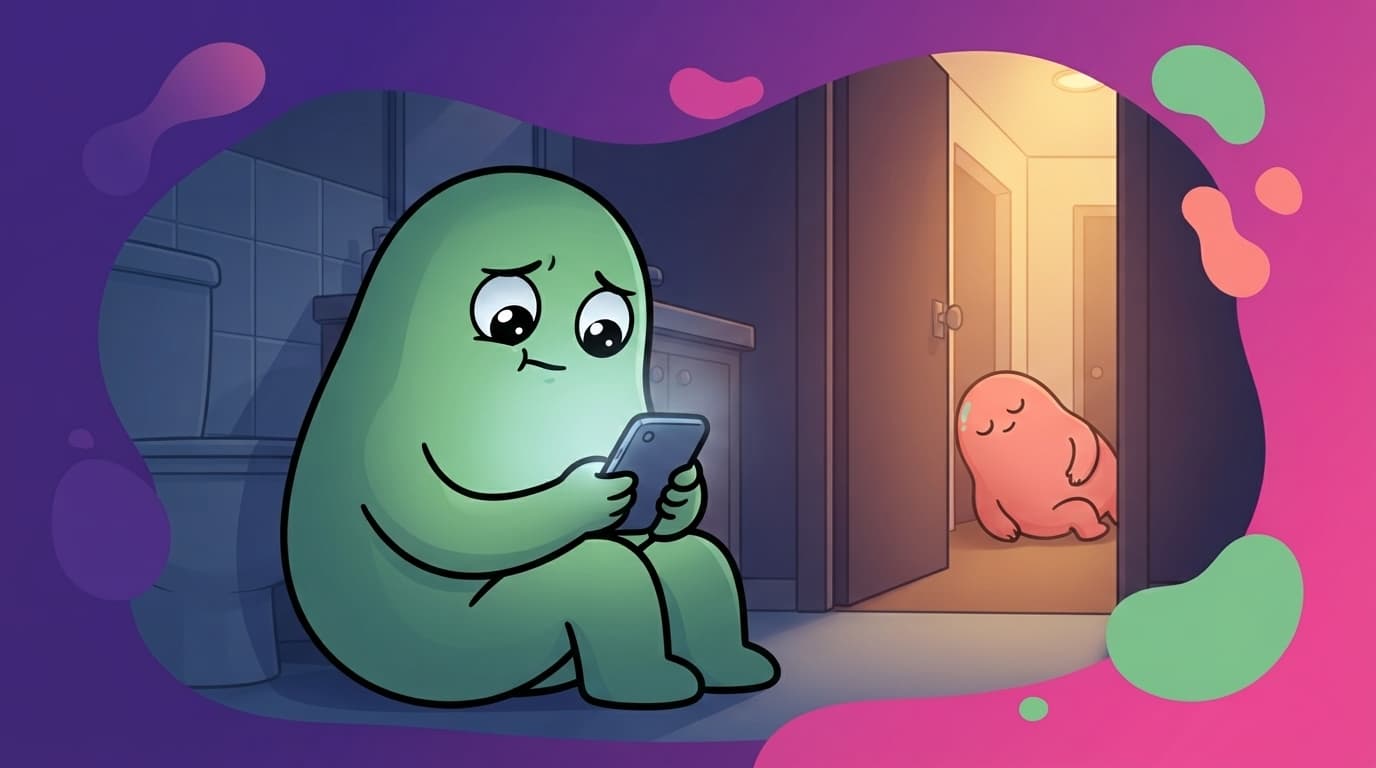
You've been together ten, maybe fifteen years, and somewhere in there sex went quiet, then quieter, until weeks and months slid by. Now one of you is on something for anxiety or depression, and there's a 2am thought neither of you says out loud: is it the pills, or is it us. That question lands even heavier when you've both privately started using the word roommates.
Here's the honest version. Yes, it can genuinely be the medication. SSRIs and some other antidepressants are well known to dampen desire, dull arousal and delay or blunt orgasm for a lot of people. In the language of how wanting actually works, the meds are pressing the brake, not lifting the accelerator. That doesn't mean your desire is gone or that something's wrong with the two of you. It means one of the biggest turn-offs in the system right now is chemical, not personal. Never stop or change a dose on your own, talk to whoever prescribed it first, then treat the rest as a context you can work with, not a verdict on you both.
Can antidepressants really lower your sex drive that much?
Short answer: yes, and it's common enough that it's no secret in the research, just in most bedrooms. Sexual side effects are one of the most reported downsides of the antidepressants people are prescribed most. For a real chunk of people they lower wanting, make arousal harder to reach and leave orgasm feeling far away or muted. It varies a lot person to person, and it's not a character flaw or a sign you've stopped fancying each other.
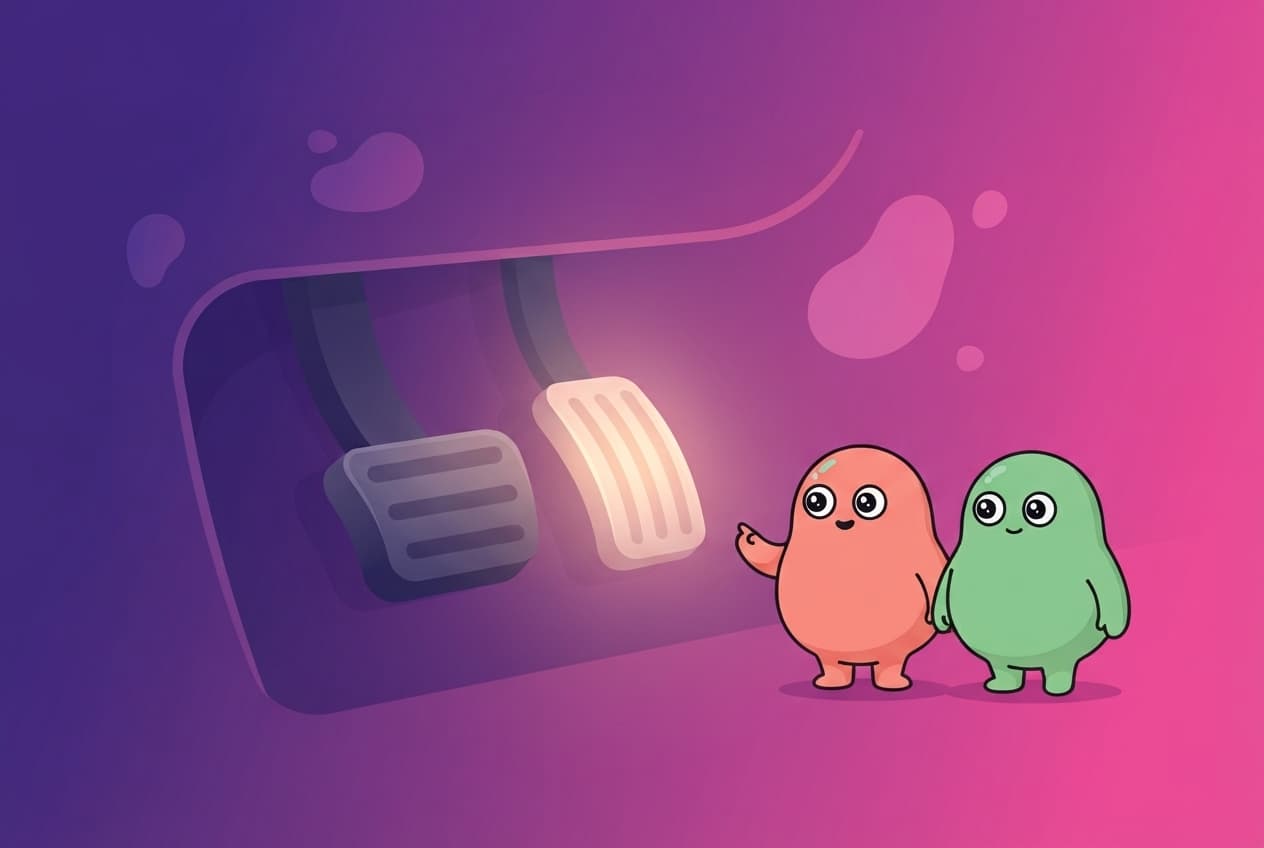
Emily Nagoski, a health educator, describes desire as a balance between accelerators and brakes. The accelerators are everything that turns wanting on: feeling close, feeling wanted, novelty, a bit of play. The brakes are everything that shuts it down: stress, pressure, exhaustion, the fear of another knock-back. What you feel is roughly the accelerators minus the brakes. An antidepressant can act like a foot resting on the brake. The accelerators haven't vanished, they're just being overridden by something with real physical weight.
That distinction changes what you do next. You don't have to manufacture want out of thin air. You take pressure off the brake wherever you actually can, and you feed the accelerators that are still yours to reach.
Is it the meds, or is it us?
Honestly, it's usually a bit of both, and pulling them apart is the point. The meds are one brake. A long, slightly resentful drought is another. Here's a rough way to feel out which is doing what:
- Timing. If wanting, arousal or orgasm noticeably changed within a few weeks of starting or upping a dose, the medication is a strong suspect. That's a prescriber conversation, not a relationship one.
- The pattern of it. Meds tend to flatten the whole system: on your own, together, in your head, the lot. A brake that's about the relationship is pickier, it shows up around your partner and the loaded moment of reaching more than anywhere else.
- The story you tell yourself. "I don't want them anymore" almost never survives contact with the facts. "My body's turned the volume right down and every failed attempt makes me dread the next one" is usually closer.
None of this is you diagnosing yourself, and none of it replaces your doctor. But once you can see the two brakes as two separate things, the whole story stops collapsing into one bleak version where nobody's at fault and nothing can change. Some of it is chemistry you can raise with a prescriber. Some of it is a pattern at home you can shift, the same slow build a desire gap that's hardened over the years is really about.
How do we find our way back while the meds are still on board?
You stop chasing lust that arrives out of nowhere and start building the conditions where wanting can show up in response to something. Plenty of people, especially long-term partners, rarely feel desire from a standing start. It turns up after closeness, warmth and a bit of pleasure are already happening. Waiting to suddenly feel like it, on a medication that's specifically muting that feeling, is waiting for a bus that isn't coming.
So change what you can actually reach:
- Take initiation off one person's shoulders. When the same person always has to reach and risk the "not tonight", every attempt loads one of you with pressure and the other with dread. Removing who-goes-first is its own unlock, which is the whole idea behind taking who-goes-first off the table.
- Let warmth come before sex. Touch, flirting and closeness with nothing owed at the end are pure accelerator, and they don't ask the brake to lift first. No quota, no "so are we doing this or not", no scorecard, because pressure is its own brake and a drought this long has usually built up plenty of it.
The point isn't to power through the side effect by trying harder. Trying harder is more pressure, and pressure is exactly the wrong pedal.
Key takeaways
- Antidepressants commonly lower wanting, dull arousal and delay orgasm. It's a real, physical side effect, not a sign something's wrong between the two of you.
- Picture the meds as a foot on the brake. Your accelerators still exist, they're just being overridden, so feed them wherever you can.
- Never stop or change a dose on your own. Dose, timing and alternatives are worth raising with your prescriber.
- At home, stop waiting for desire to arrive on its own and build for the kind that responds: warmth first, no pressure and who-goes-first off the table.
- The meds are one brake and a long drought is another. Naming them separately means neither of you has to be the villain.
If you're both quietly wondering whether there's still a way back, the gentlest first move is one where neither of you has to be the one who asks. That's the part peek quietly takes off your plate: the nudge comes from a card, not from either of you, so there's nothing personal to turn down. You each answer in private and only a shared yes ever surfaces, so nobody reaches first and nobody hears "not tonight". It won't touch your prescription, but it lifts the exact load a medicated brake struggles under: the pressure, the dread, the risk of a knock-back. That little jolt of "wait, you too?" on the first thing you both say yes to is the accelerator you've been missing. Download peek on the App Store or Google Play and start somewhere low-stakes.
Frequently asked questions
Which antidepressants are most likely to lower sex drive?
SSRIs and SNRIs, the most commonly prescribed ones, are most often linked to sexual side effects like lower desire, harder arousal and delayed orgasm. Some other antidepressants are reported to affect wanting less. Your prescriber knows your full picture, so make that the conversation before you assume anything or stop a dose.
Should I stop taking my medication to get my sex drive back?
Please don't stop on your own. Coming off an antidepressant abruptly can be genuinely rough, and the thing it's treating matters too. Raise the side effect with whoever prescribed it, they may adjust the dose, timing or option. There's usually more room to move than people expect.
Can we have a good sex life while I'm still on antidepressants?
Yes, plenty of couples do. The trick is building for desire that responds instead of waiting to feel spontaneously turned on: warmth and closeness first, no pressure, no quota. You're working with the accelerators you can reach rather than fighting the brake head-on.
Is low desire on medication permanent?
Not usually. It often shifts if the medication is adjusted, and desire can also rebuild as the pressure and knock-back cycle at home eases off. It's a context you can change, not a permanent setting, which is a very different thing to sit with.